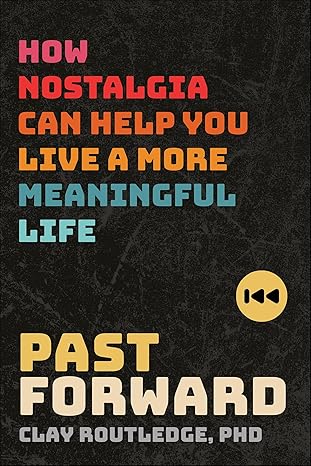
Once upon a time, I held a somewhat negative view of the word “nostalgia.” Whenever I heard a young person reminiscing emotionally about the “good old days,” I couldn’t help but feel a twinge of pity, as if their heart had grown old before their body. Shouldn’t we always be looking forward? Could the meaning of life truly be reduced to replaying past achievements? And when I saw society as a whole becoming immersed in a nostalgic atmosphere, I felt certain that something, somewhere, had gone wrong.
However, this book has dissolved my prejudices and given me a brand-new understanding of the positive role nostalgia plays.
Let’s look at some of the constructive functions of nostalgia:
——In the face of hardships that threaten to break our sense of identity, nostalgia enhances our feeling of “self-continuity.”
——Nostalgia reduces defensiveness, making us more open to criticism and advice while fostering a healthy level of self-esteem.
——Collective nostalgia strengthens group identity and inspires the motivation needed for a community to thrive.
——While it cannot turn back the clock, nostalgia truly helps in maintaining a youthful heart.
——Nostalgia not only enhances the meaning of our future but also restores the significance of our past.
——In an era where the internet fuels political polarization and chaos, nostalgia serves as a stabilizing force.
Ultimately, the author shares a vital insight:
Human nature is progress-oriented. Although we have a conservative side, we must first be stable in all aspects to flourish; otherwise, it is easy to lose ourselves in a chaotic world. Remember, humans are future-oriented. By seeking inspiration and guidance from precious memories, we can build a better tomorrow. Nostalgia is not a weakness of human nature, but an undeniable positive force.