
To philosophize is to learn how to die.
— Michel de Montaigne, The Essays
What is life?
Life is but “a brief crack of light between two eternities of darkness.” Thus did Vladimir Nabokov set a desolate keynote for human existence. This crack of light is so narrow that the moment we open our eyes to glimpse the world’s silhouette, we can already hear the approaching footsteps of the dusk.
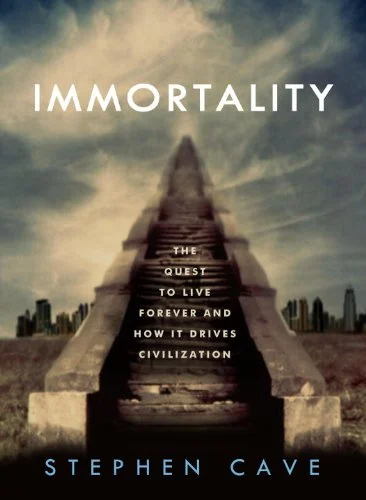
This book reveals a profound truth: the grand epic of human civilization is, in essence, our desperate attempt to hold onto that flicker of light for as long as possible between those two “eternities of darkness.” We crave eternal youth; we long for resurrection; we yearn for the immortality of the soul—or at the very least, we hope to leave behind a lingering glow called “legacy” after all has turned to dust.
Civilization is indeed a byproduct of fear. Because we fear death, we built the pyramids, captured eternal smiles on canvas, and now attempt to upload our consciousness into the cloud. Death acts like a stern taskmaster, whipping humanity to extract eternity from the fleeting passage of time. However, in the final chapter, the author reminds us that our efforts to escape death through technology or fame often cause us to lose “life” itself on the road to “immortality.” The meaning of life is perhaps best captured by Leonardo da Vinci’s tender confession: “As a well-spent day brings happy sleep, so a life well spent brings happy death.”
You, dear reader, might be dissatisfied with the author’s conclusion: “Is that it? But this doesn’t settle my anxiety!” If so, let us shift our perspective and look at Midlife: A Philosophical Guide.